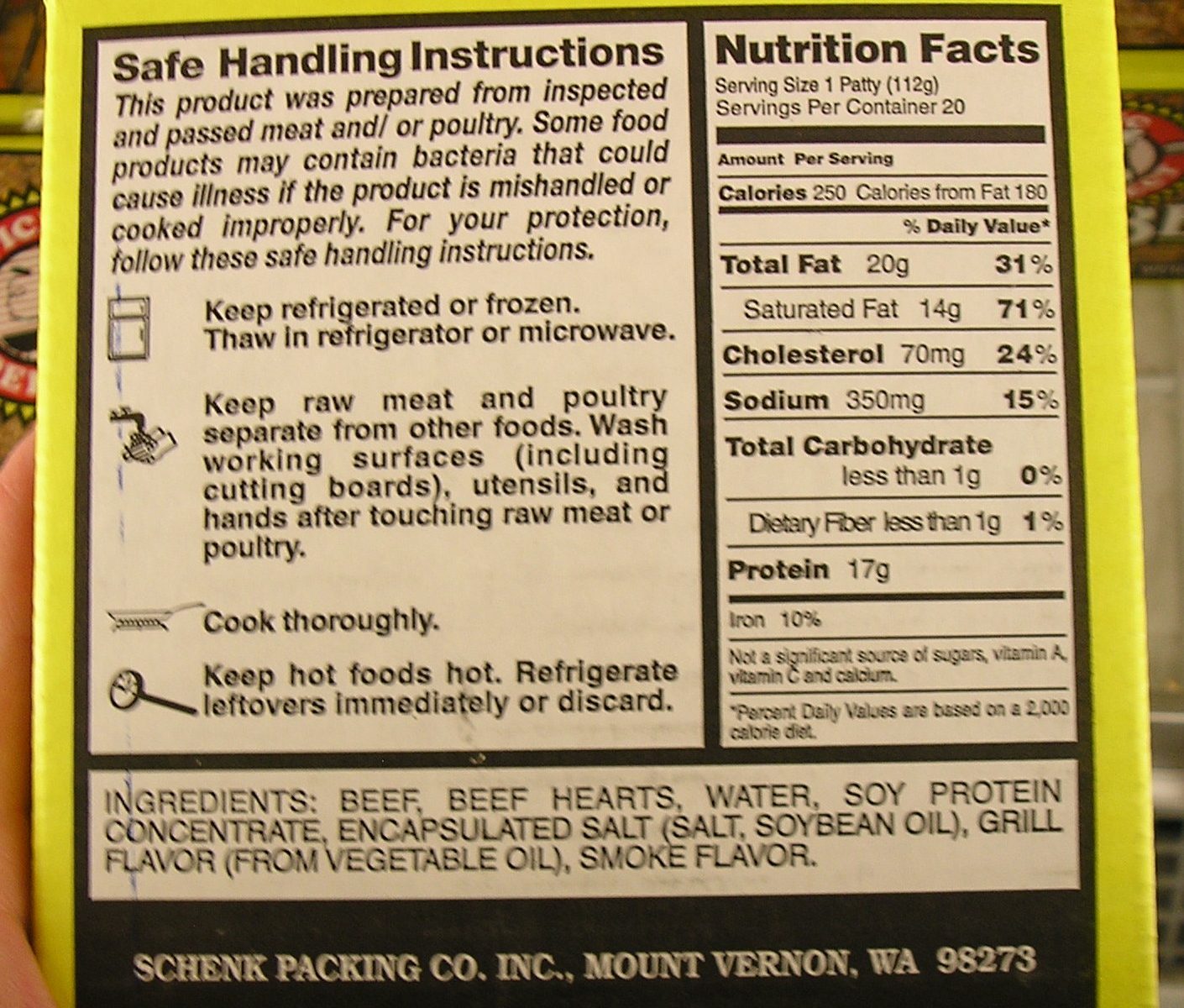
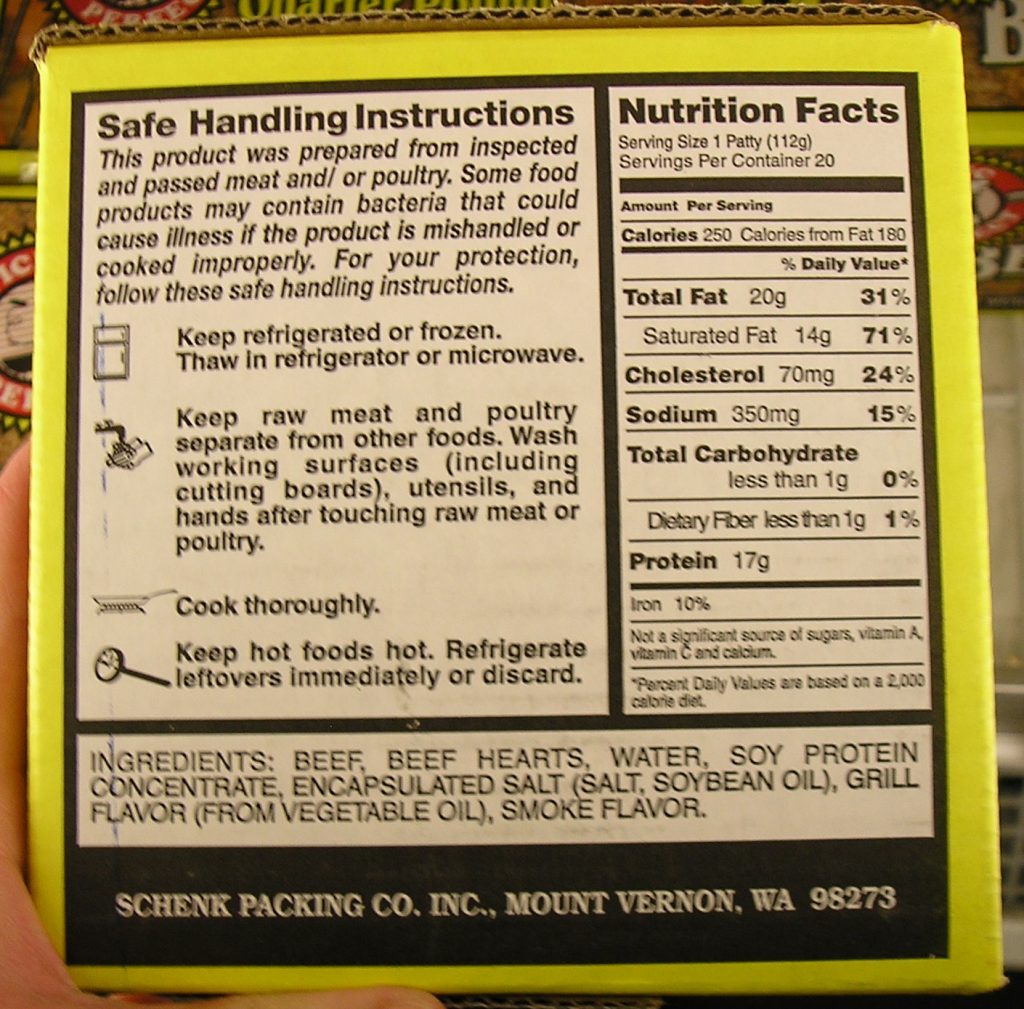
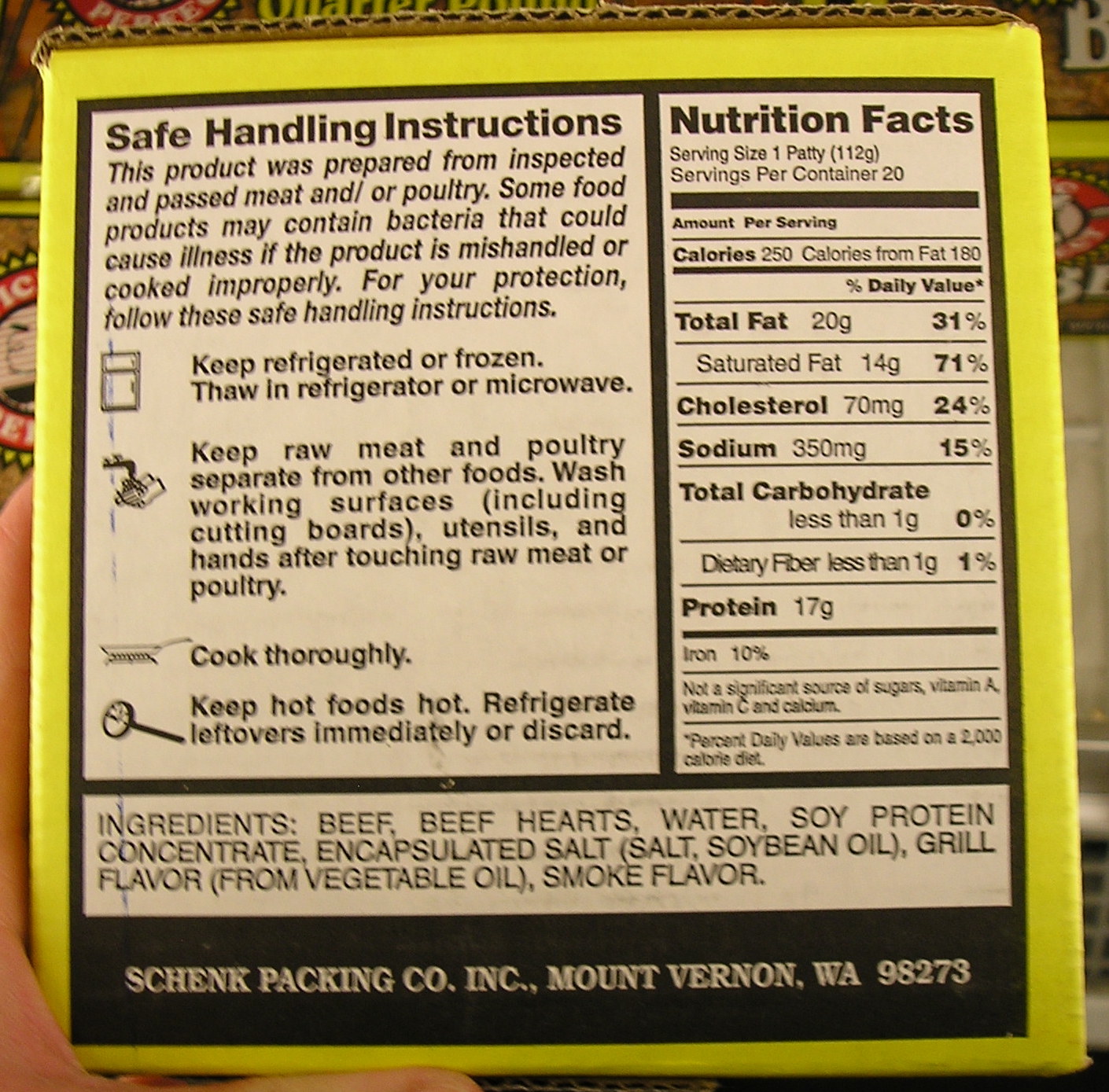
The American Frozen Food Institute (AFFI) in July of 2020 approved new voluntary recommended practices for food safety labeling for not-ready-to eat (NRTE) frozen foods. AFFI urges all companies to update their packaging to reflect these changes. Many consumers consider frozen foods as RTE (ready-to-eat) and thus do not follow cooking instructions on the packaging and/or consume the product without cooking. There are also a many different approaches for cooking instructions used on labels that tend to confuse consumers. Cooking instructions are placed on food packaging to ensure the food’s safety should be clear and understandable to the consumer.
AFFI’s consumer research showed the following:
Many consumers have misconceptions about the readiness of frozen foods, which contributes to some consumers participating in at-risk behaviors when preparing frozen vegetables, pizzas, and entrees.
Consistent food safety messages can positively shift the cooking behaviors of at-risk populations.
“Cook thoroughly” lacks a clear definition and can mean something different to each consumer. Consumers are questioning what “cook thoroughly” means.
Some at-risk individuals for listeriosis believe most foods are sold thoroughly cooked and only need to be reheated.
Recommended Changes for Food Packaging
Avoid phrases like “Cook Thoroughly” on packaging and replace with correct food safety labeling
New Front of Package Language
Eliminate the use of “Keep Frozen. Cook Thoroughly.” Instead use: “KEEP FROZEN. COOK AS DIRECTED.”
Font size and type should be equivalent to the minimum NET WT requirement.
New Back of Package Language
Use the following language. “FOR SAFETY, FOLLOW THESE COOKING INSTRUCTIONS.”
Suggested placement is next to the cooking instructions
Use BOLD FONT
AFFI’s research has shown that consistent on-package food safety language can increase the likelihood that consumers will follow the cooking instructions. Even small changes like the ones suggested above reduce confusion and encourage proper cooking prior to consumption. Eliminating phrases like “cook thoroughly” and replacing with “cook as directed” will go a long way towards improving food safety at the consumer level.