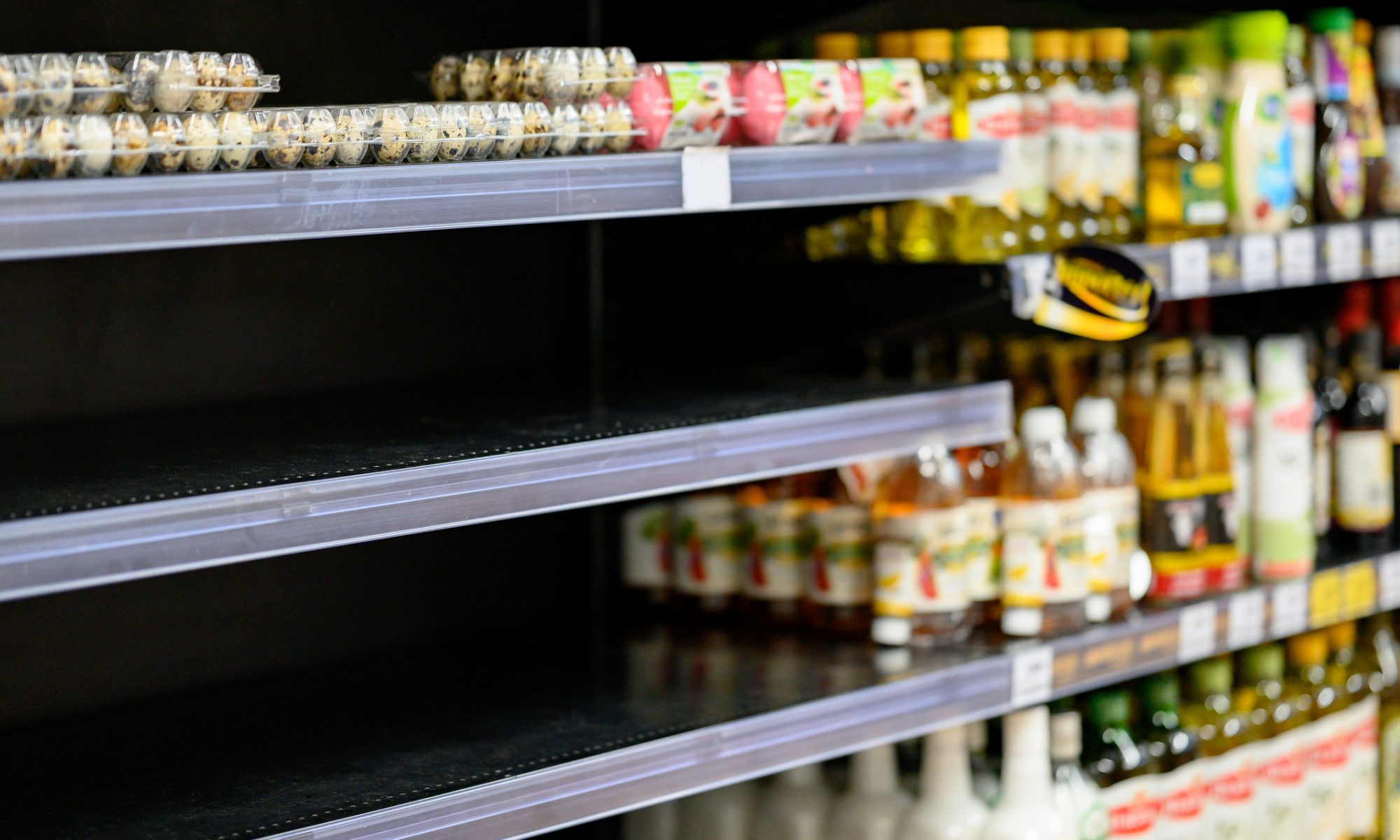
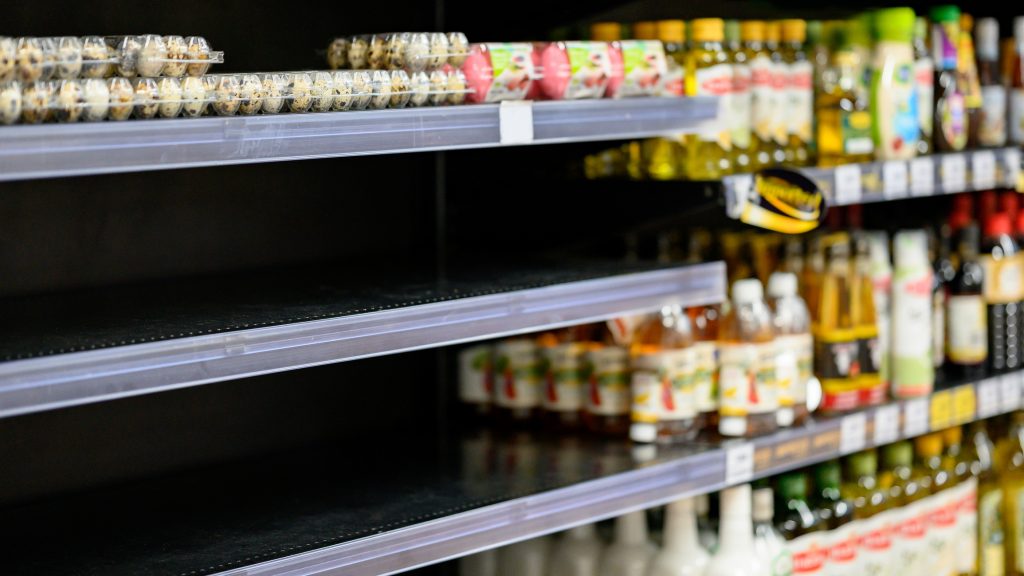
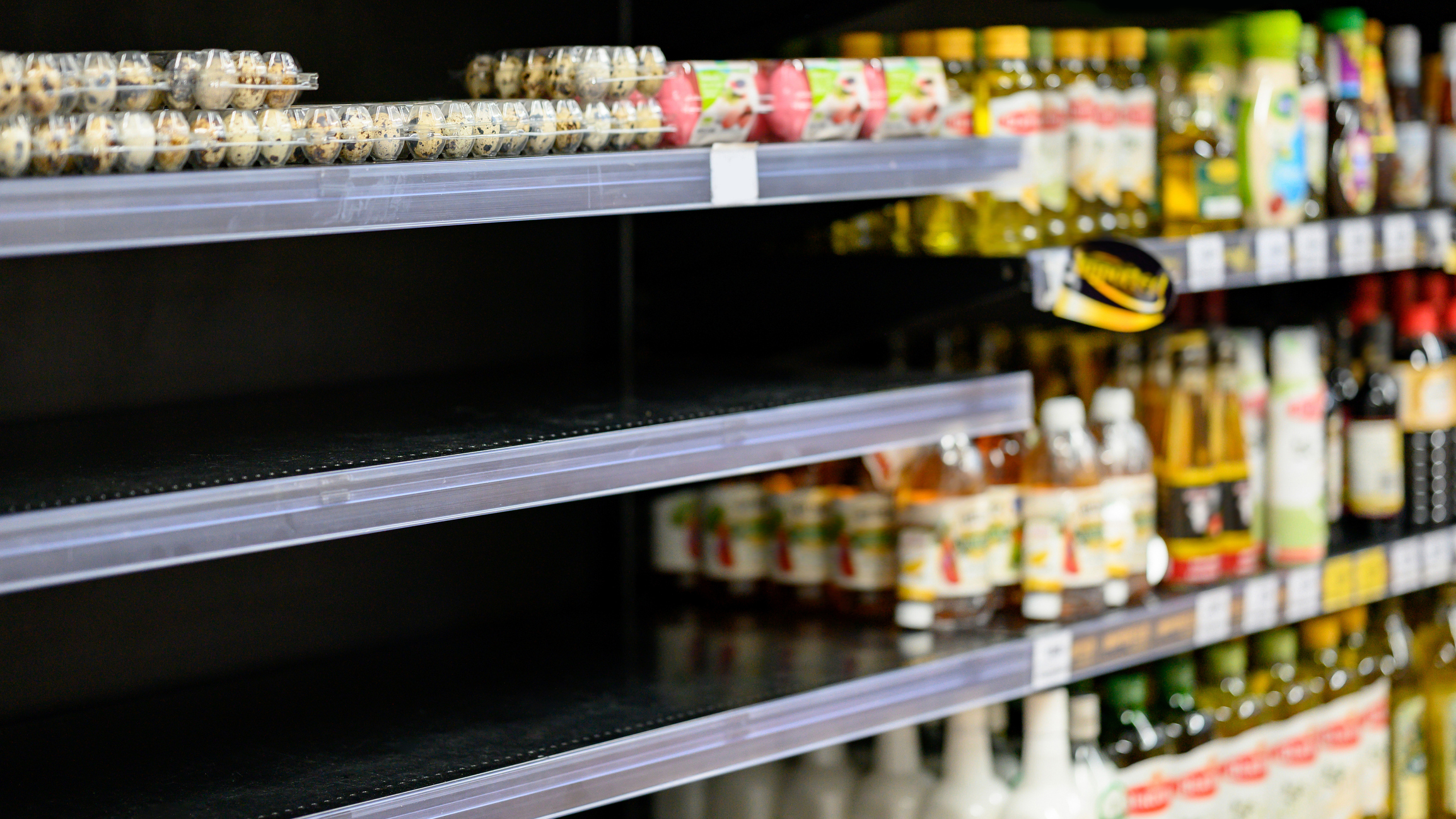
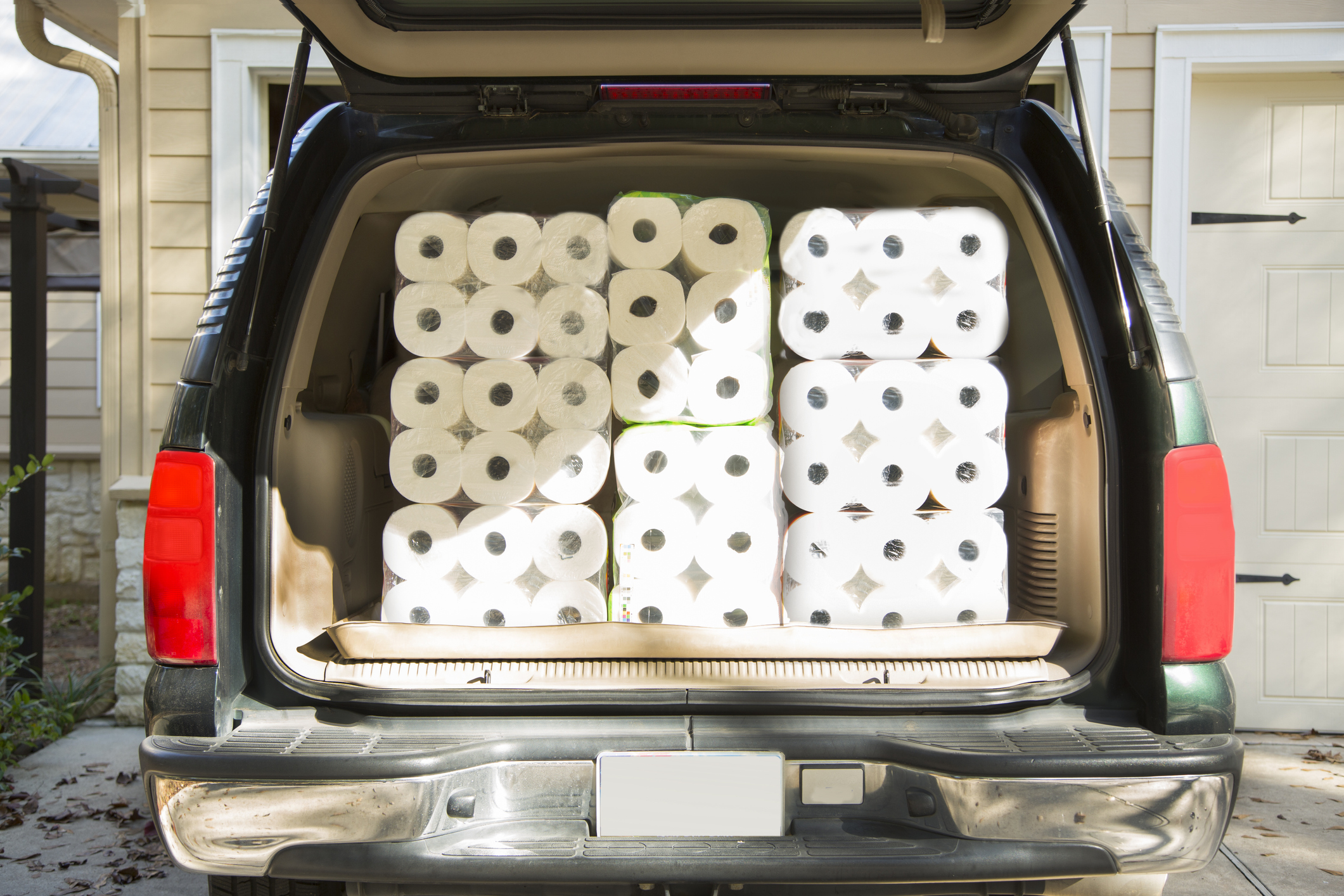
Grocery stores in the U.S. continue to suffer supply problems. By now the reasons are clear – shortages of labor and raw materials added to the continuing logistical problems make getting back to normal relatively impossible – especially for the smaller stores and chains. Add stockpiling by consumers (when they can find the items they are looking for) and its no wonder shelves are empty again and some products just aren’t available.
Some products are just missing from the shelves
Donny Rouse, chief executive of Louisiana-based Rouses Markets, said he is struggling to fill shelves as his company runs low on everything from pet food to canned goods. The chain of more than 60 supermarkets is sometimes receiving as little as 40% of what it orders prompting Mr. Rouse and his staff to try to secure products earlier and more often. Before the pandemic, Rouses received well over 90% of its orders.
While shopping this past weekend at the local Trader Joes, I noticed that they no longer had the olives that I like and that the quantity of tomato sauces and canned tomatoes had been scaled back significantly. My question to one of the workers elicited a somewhat expected reply: “We’re just not getting those products in right now” and when I asked when it might change, he just shrugged his shoulders and said, “Who knows?”
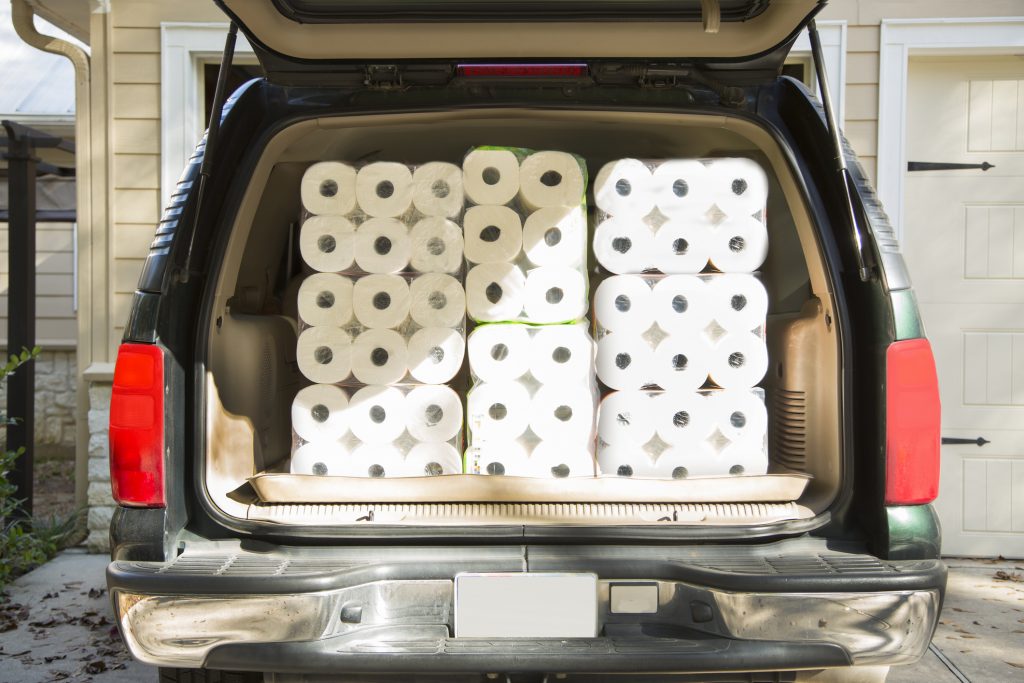
These shelf shortages are not only due to supplier issues but to the consumers as well. Stockpiling, like what happened in the early stages of the pandemic (March/April 2020), is in play again. In a recent study by Inmar of 1000 U.S. adults surveyed, “69.4% said they’re reconsidering replenishing a current stockpile of groceries and other essential products as the transmission of the Delta variant increases.” Look for frozen sales to increase again in line with the progress of the pandemic.
Storing up for the next round of Covid-19. Bathroom tissue and paper towels.
Part of the problem is self-driven. Consumers are nervous again with the seeming veracity of the Delta variant and new lockdowns and restrictions in place. Constant media coverage elicits fears of price increases and the chances of becoming infected with the virus when out shopping. Having just lived through 18 months of Covid-19 one cannot blame consumers for their desire to create emergency supplies or add to existing ones. Thus, the cycle continues as demands increase at the retail level.
To keep the shelves stocked, retailers are altering what they carry. Some have fewer flavors and size choices and different brands altogether. Some are selling a smaller quantity in the same bag (shrinkflation). Recently, Conagra said “its inventory of some Hunts items will be low until it can package more tomatoes from this year’s harvest, adding that demand for the products is unprecedented.” This helps make sense of the current canned tomatoes shortage at Trader Joe’s.
Naturally the bigger chains are doing better as they make up a greater percentage of the manufacturer’s business, but even so, they are having problems. No matter where you shop, be prepared for more empty shelves especially as the holiday season approaches.
Lily Noon
Sources:
Why You Can’t Find Everything You Want at Grocery Stores by Justen Williams, The Wall Street Journal, www.wsj.com
Another Stockpiling Round May be in Store for Grocers by Russell Redman, Supermarket News, www.supermarketnews.com