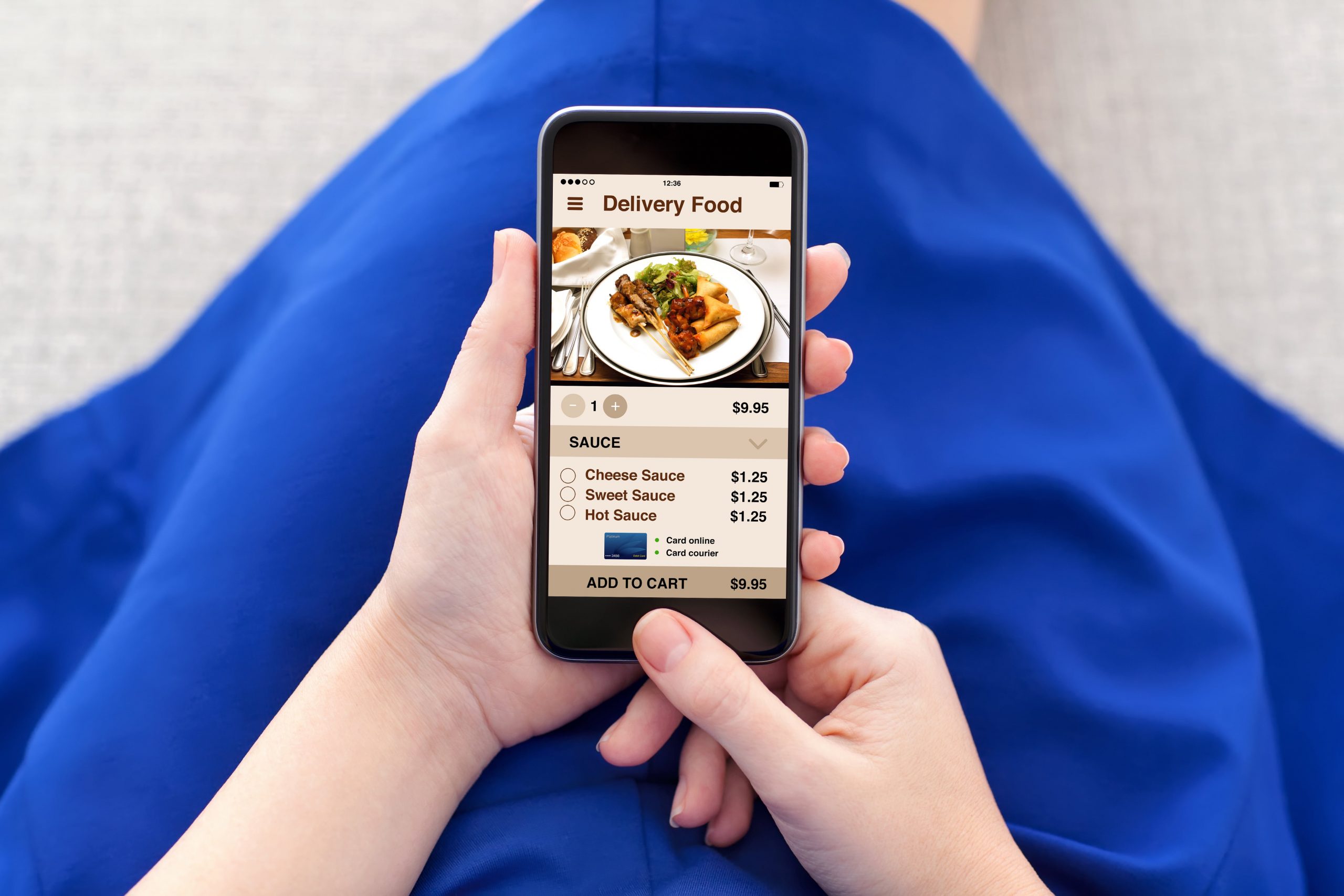
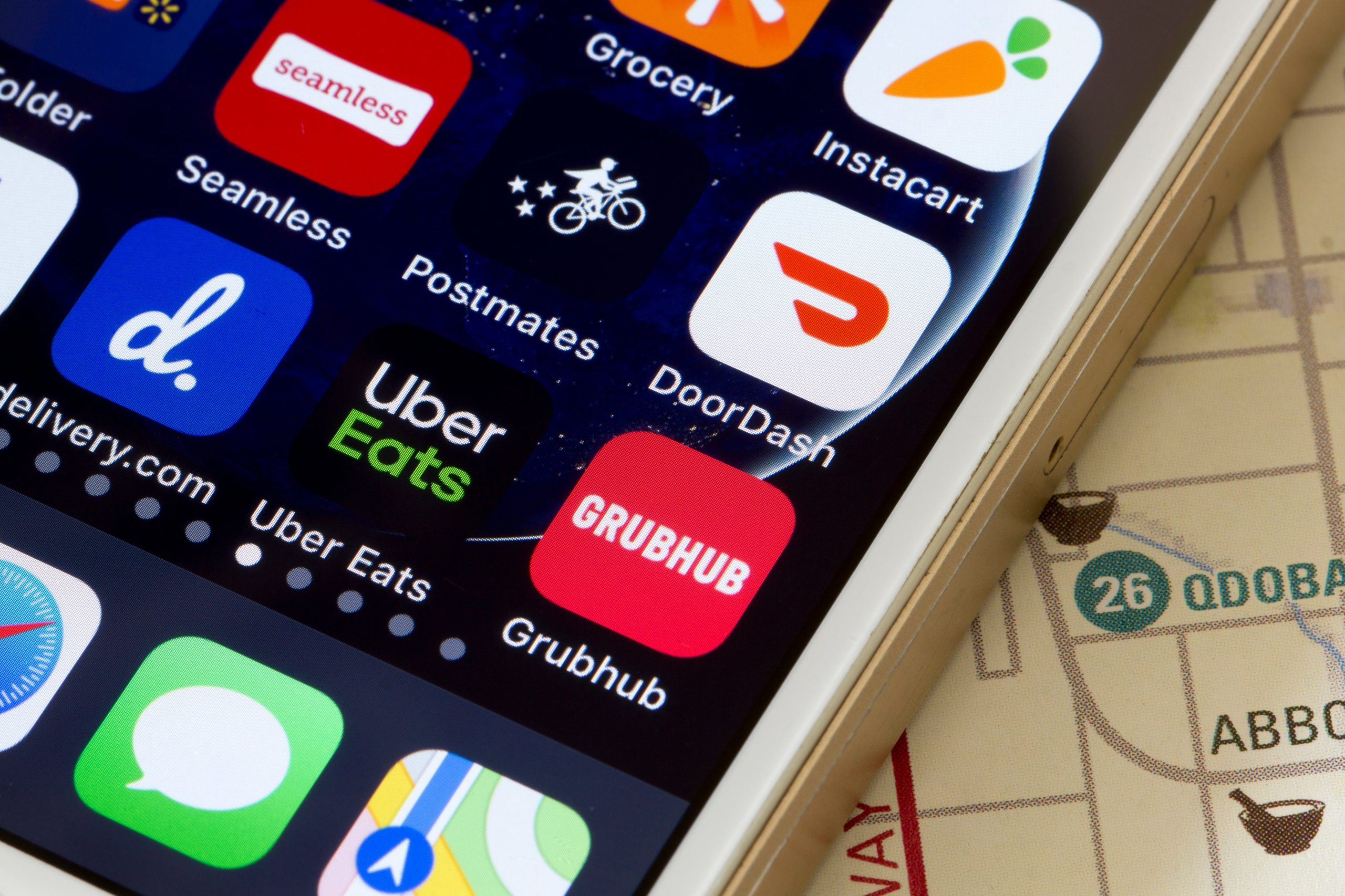
There’s no doubt about it. Over the past five years the food delivery market has experienced significant growth. Door Dash and Uber Eats are now household names here in America. China, the U.S., and the U.K are the three largest users of food delivery and in Europe it is primarily popular in Germany, Italy, and Spain. This is a global industry now and China!s food delivery apps have the largest userbase and market penetration reaching over 650 million people!
Ordering online is the new norm
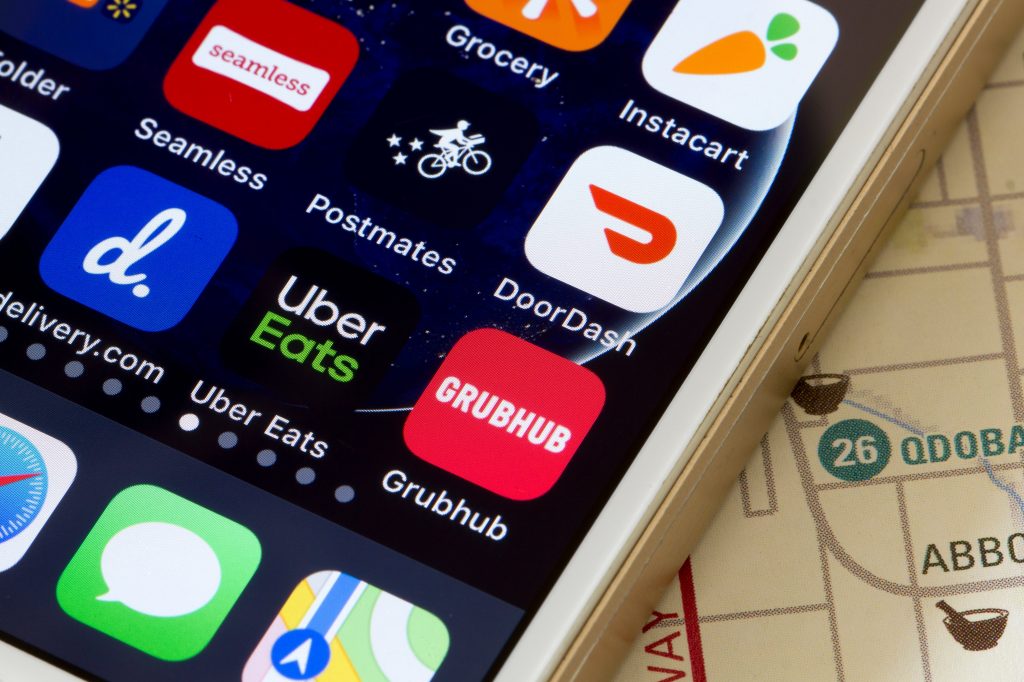
Uber Eats is widely available on six continents, Just Eat is the leader of food delivery in the UK and active in Europe and Australia. Grubhub controlled over 50 percent of the US online food delivery up until 2018 and Doordash is now the current leader in online food delivery in the US. There are many other delivery services throughout the world, too many to mention here. Between 2015 and 2020 the number of food delivery app users in the USA rose from 66 million to 111 million.
Doordash leads delivery market in USA
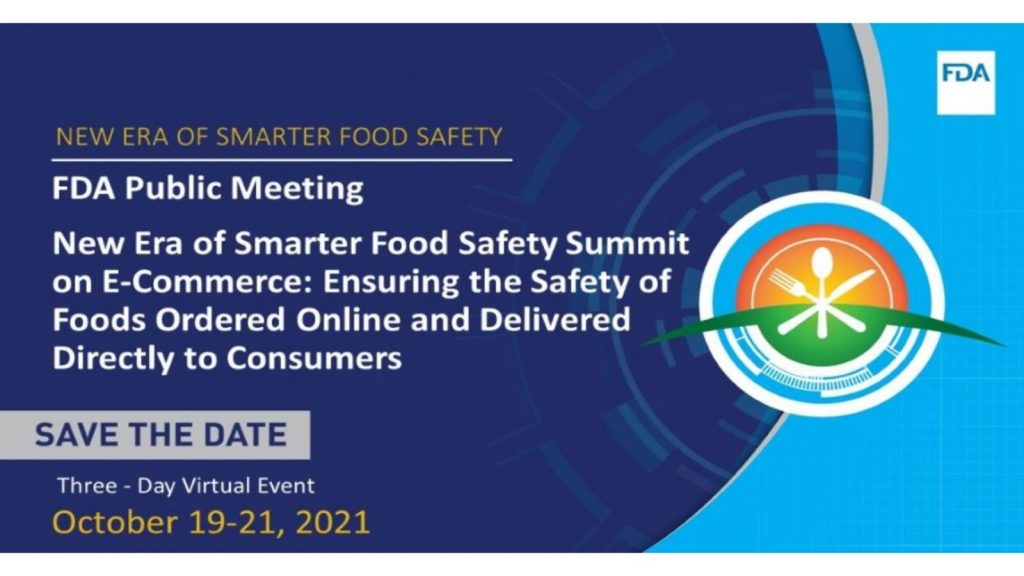
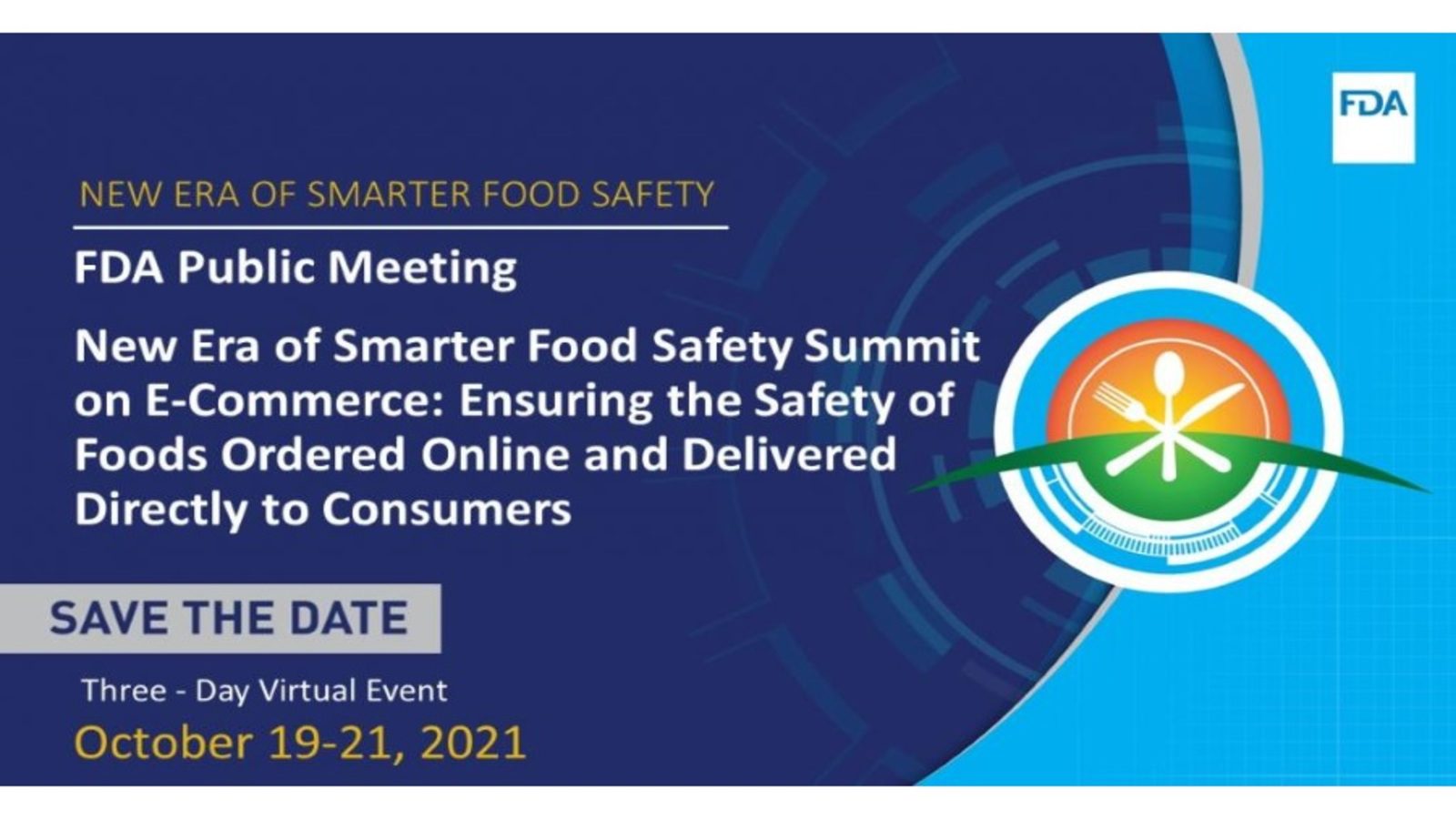
The U.S. food delivery app revenue is expected to reach $28 billion be this year end and $42 billion by 2025. It!s here to stay thus it!s no wonder that the FDA is working to strengthen food safety protections for the millions of online consumers. And not just in the USA – this is a worldwide endeavor.
Ghost kitchens were high on the list for needing more food safety training and improvements. International partners were concerned about the lack of consistent standards internationally. The questions arose about how to prevent food tampering and ensure that foods are labelled proeperly? Are allergens and gluten content noted on labels? Will the consumer recognize food that could be of concern when they receive it from the delivery party?
What They Learned – ordering food delivery online is not just for millennials and the younger generation, but it crosses all ages and people of different economic standards. There is a lot more study necessary and discussion of the above-mentioned issues. Consumers must have confidence in the food they receive no matter if it is purchased in a store or delivered to their home.
Lily Noon
Sources:
FDA Works to Strengthen Food Safety Protections as Consumers Increasingly Order Foods Online, www.fda.gov
FDAは最近、3日間にわたる会議をバーチャルに開催しました。この会議は「FDA New Era of Smarter FoodSafety Summit on E-Commerce: Ensuring the Safety of Foods Ordered Online anDelivered Directly to Consumers(FDAスマートな食品安全性の新時代Eコマースサミット:オンラインで注文され消費者に直接配達される食品の安全性確保)」と称されていました。世界各地の専門家がこの会議に参加して、意見を共有しました。参加できなかった方は、こちらで録画を見られます。Amazon、Grubhub、Instacart、Wendy’s、Krogerをはじめ、大手企業の代表者も参加して、食品安全性の手順を説明するとともに、これら企業が感じている懸念も表明しました。食品安全性の研修の徹底や改善が求められる部分として盛んに挙げられたのが、「ゴーストキッチン」の業態でした。各国のパートナーは、国際的に一貫性のある基準が存在しないことを懸念していました。また、異物混入の防止方法や適切なラベル表示についての疑問も提起されました。アレルゲンやグルテンを含んでいることが、ラベルに記載されているのでしょうか? 配達された食品に懸念があることを、消費者は認識できるのでしょうか?