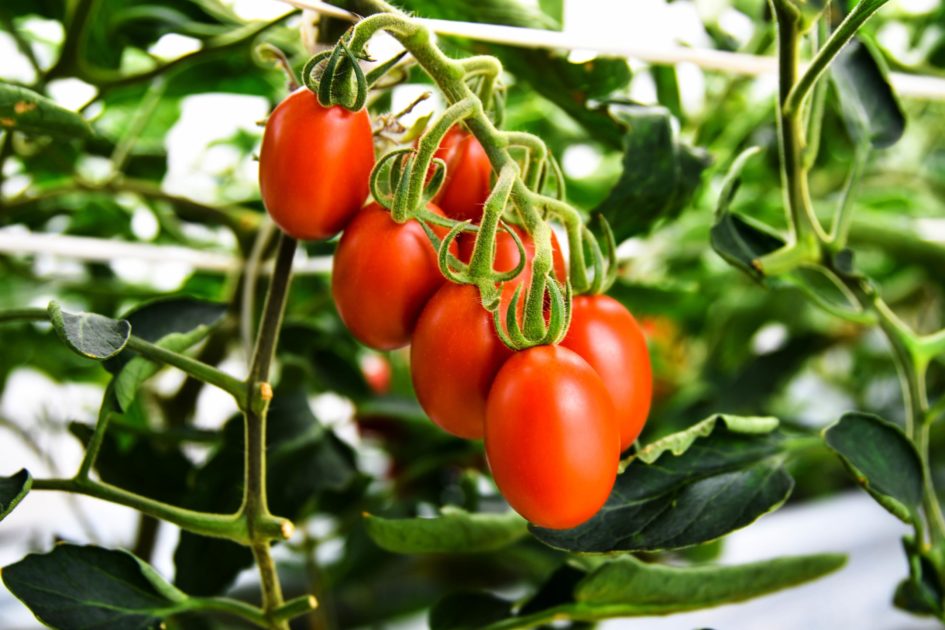
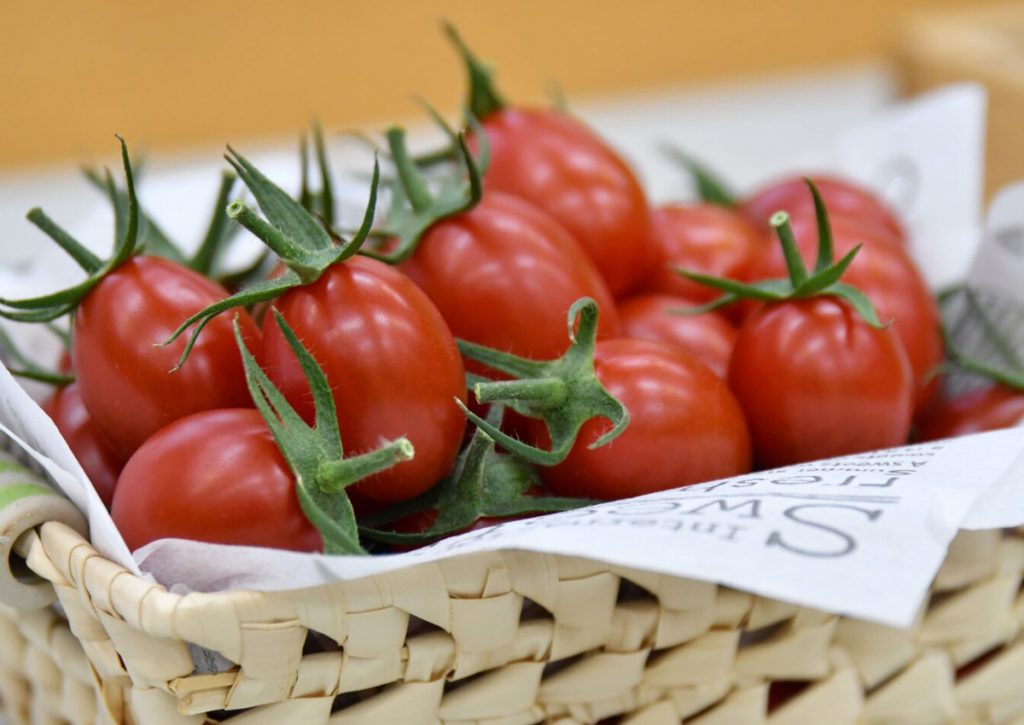
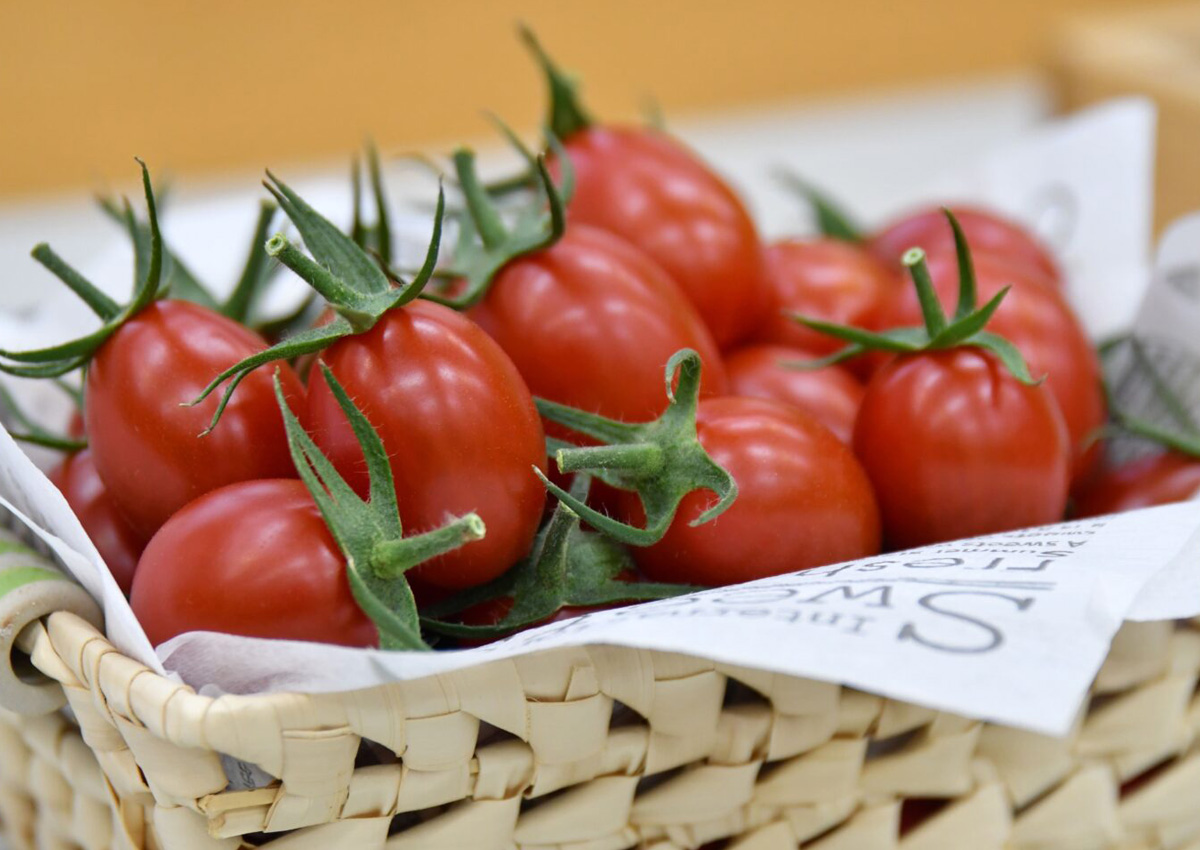
Japan’s Sanatech Seed has begun selling “Sicilian Rouge High GABA” tomato to consumers. This is the first genome-edited tomato to be sold on the Japanese market.
The product was developed using CRISPR/Cas9 gene editing technology to edit the tomato’s genome and remove the autoinhibitory domain that prevents tomatoes from increasing their GABA content. The tomato therefore produces less of the enzyme responsible for breaking down the amino acid called GABA (gamma-aminobutyric acid) and results in the tomato containing 4-5 times the usual amount of GABA. GABA, an amino acid, is believed to aid relaxation and help lower blood pressure. No additional genes (not naturally found in the tomato) were added during the process.
“This tomato represents an easy and realistic way in which consumers can improve their daily diet” according toShimpei Takeshita, the president of Sanatech Seed. Dr. Hiroshi Ezura, CTO of Sanatech Seed told delegates at the annual Global Tomato Congress that CRISPR/Cas9 “is simpler and easier to handle than other gene-editing techniques making it ideal for developing crops with enhanced nutritional characteristics.”
Japanese consumers are already used to purchasing other products with high GABA content, so this concept is not a new one. However, to increase awareness for this special tomato and its benefits, Sanatech, together with its partner for sales, Pioneer EcoScience Co., Ltd decided to distribute the seedlings free of charge in seedling gardening kits through a marketing campaign on its Home Gardening channel in May 2021. Over 5000 applicants responded to this web-based marketing approach and the overwhelming interest prompted the company to begin commercial sales in September 2021.
CRISPR- Edited Foods vs. GMO (Genetically Modified Foods)
CRISPR-edited foods have a distinct difference setting them apart from GMO products. Prior to the introduction of genome-editing, crops were genetically modified using foreign DNA to bring about a specific result like making a crop more pest-resistant or having the ability to withstand adverse climate conditions. Because foreign DNA is added, GMO crops are subject to stricter regulation in most countries of the world. In genome editing, no DNA is added, but CRISPR technology is used to edit the existing DNA.
Getting approval for GE products in Japan is not as difficult from a regulatory data perspective as for GMO products and the Japanese government does not require businesses to identify gene-edited foods as such in their labeling. Japan does require that gene-edited products have approval prior to sale from the appropriate regulatory agencies. In December 2020, Sanatech submitted a notice of intent to commercialize Sicilian Rough High GABA as the nation’s first genome-edited food product to the Health, Labor and Welfare Ministry and notification was accepted. The USDA has also said this product will not be regulated as a GMO crop. According to a statement from the International Seed Foundation, the Japanese government has affirmed its “determination” that Sanatech Seed’s GE tomato will not be regulated as a genetically modified (GMO) product.
This is exciting progress for the food and agriculture industry and the Sicilian Rouge High GABA tomato is just the start. Expect a rapid development in this area and the appearance of thousands of new CRISPR foods in the future.